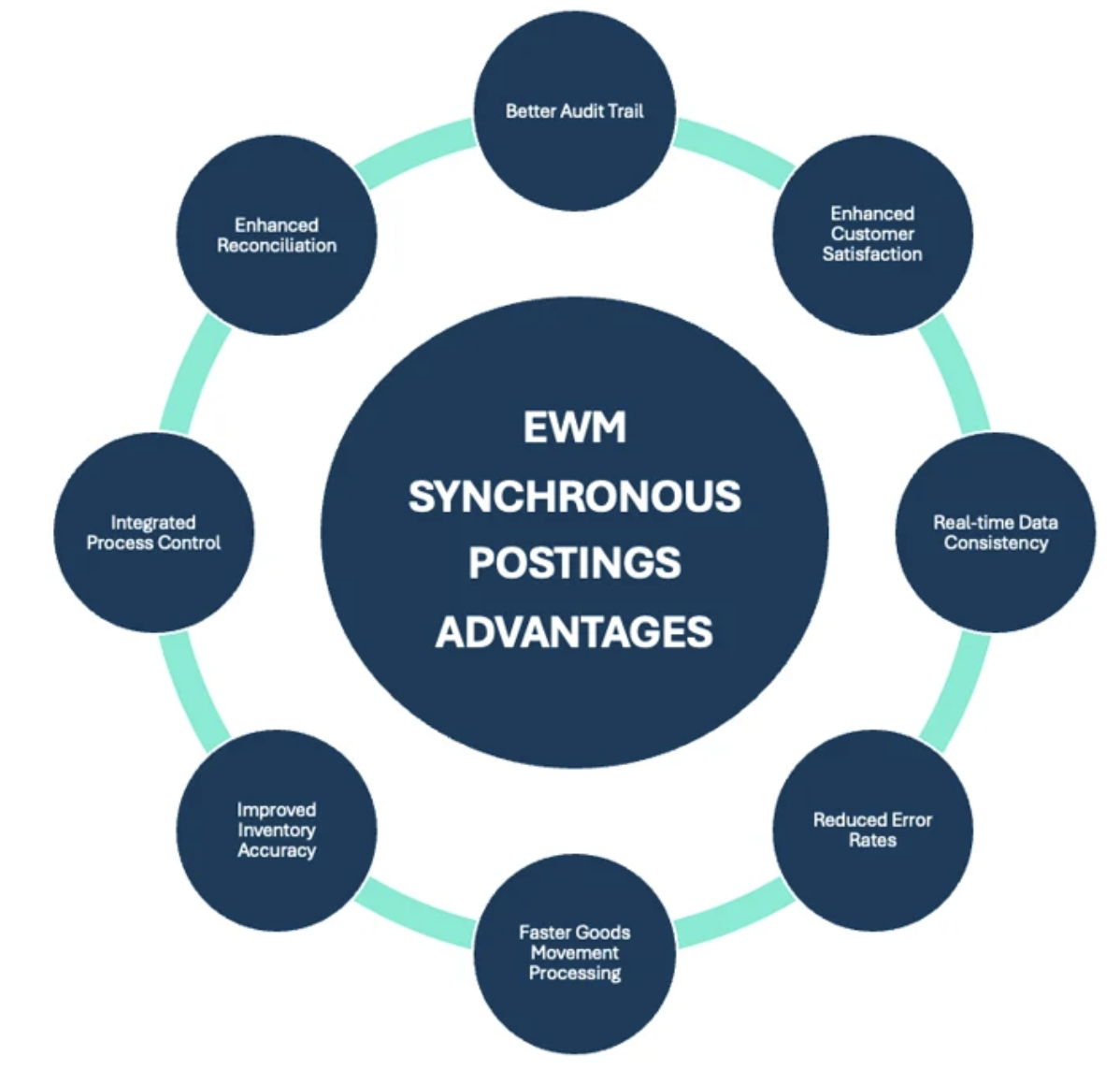
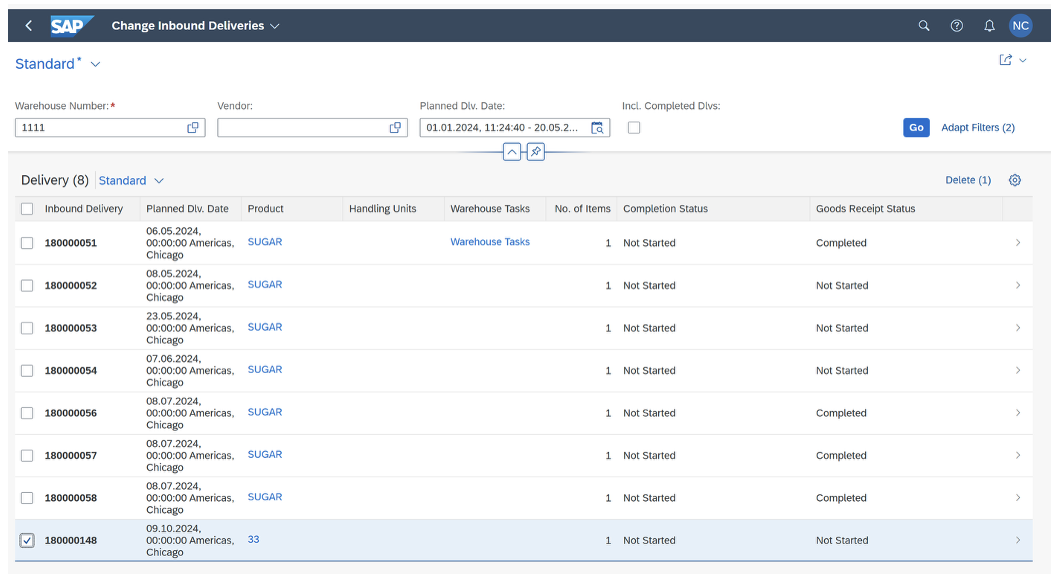
Putaway in SAP EWM refers to the process of moving goods from the goods receipt (GR) area into their final storage bin within the warehouse. Typically, SAP allows addition to existing stock if the bin already contains the same product and satisfies storage conditions.
However, in some business cases, there is a need to control how and where newly received products are placed — especially when existing stock in a bin is older than a defined number of days (e.g., 20–30 days).
To address this, an enhancement was introduced to perform putaway based on the GR date and time, ensuring addition to existing stock happens only if the Handling Unit (HU) is within the acceptable age limit — this is known as the Youngest HU Logic.
What is Youngest HU Logic in EWM?
When managing warehouse operations in SAP Extended Warehouse Management (EWM), proper stock rotation is essential, especially for industries with shelf life or quality concerns. That’s where the Youngest HU Logic comes in.
This enhancement allows SAP EWM to make smarter putaway decisions by evaluating the Goods Receipt (GR) date and time of Handling Units (HUs) already stored in a bin.
Here’s how it works:
- Before placing a new HU into a storage bin, the system checks the GR timestamp of existing HUs in that bin.
- If the existing HU is older than a defined threshold (e.g., 30 days), the system prevents the new HU from being placed there - even if the product is identical.
- If the HU is within the allowed age, the new HU can be added to the same bin.
This logic helps ensure:
- Better inventory management by maintaining FIFO/LIFO rules
- Avoidance of mixing old and new stock
- Improved traceability and quality control
Standard SAP Behavior vs. Enhanced Logic
-
|
Standard SAP EWM
|
Enhanced Putaway with Youngest HU Logic
|
|
Adds to existing bin if material matches
|
Adds to existing bin only if GR date is within the allowed time
|
|
No check for age of existing stock
|
Checks GR timestamp of HUs before allowing putaway
|
|
May result in mixing old and new stock
|
Keeps older stock separate for better stock rotation
|
Business Scenarios
1. Empty Bin Handling in Putaway
If no suitable bin is found within the allowed GR date range, the system suggests putaway into an empty bin.
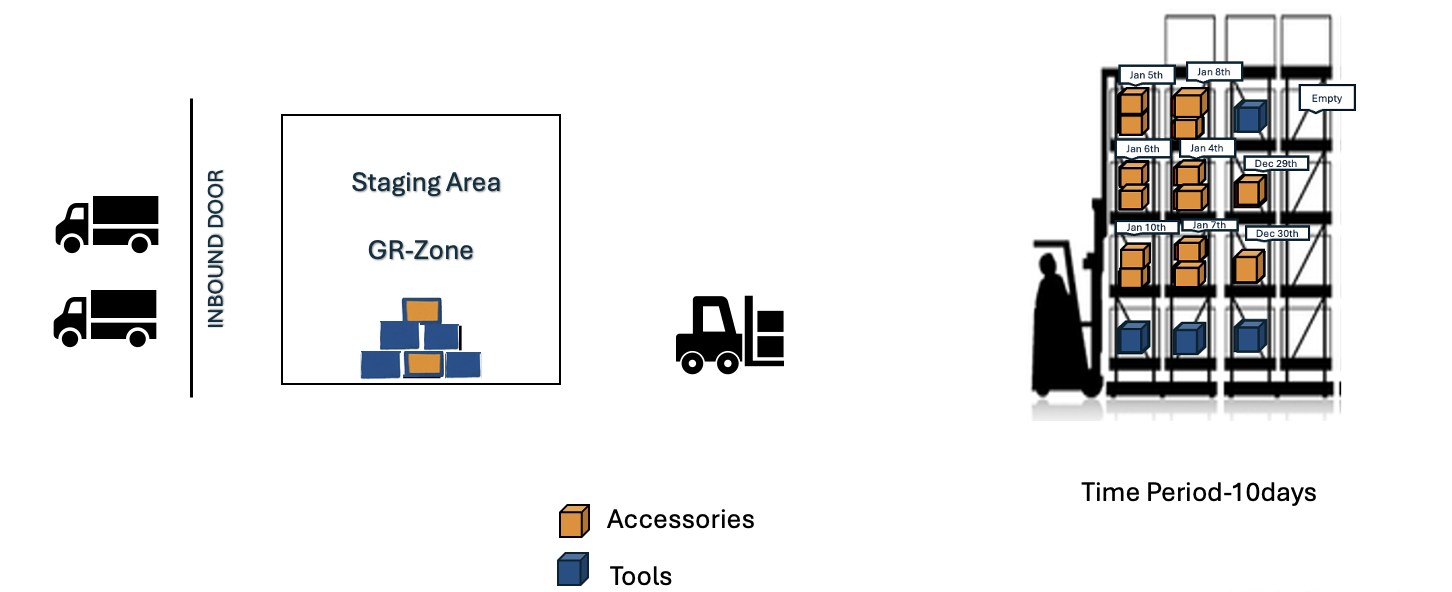
2. Extending GR Date Range
Expand the GR date range to allow the system to select a bin within this extended period instead of assigning an empty bin.
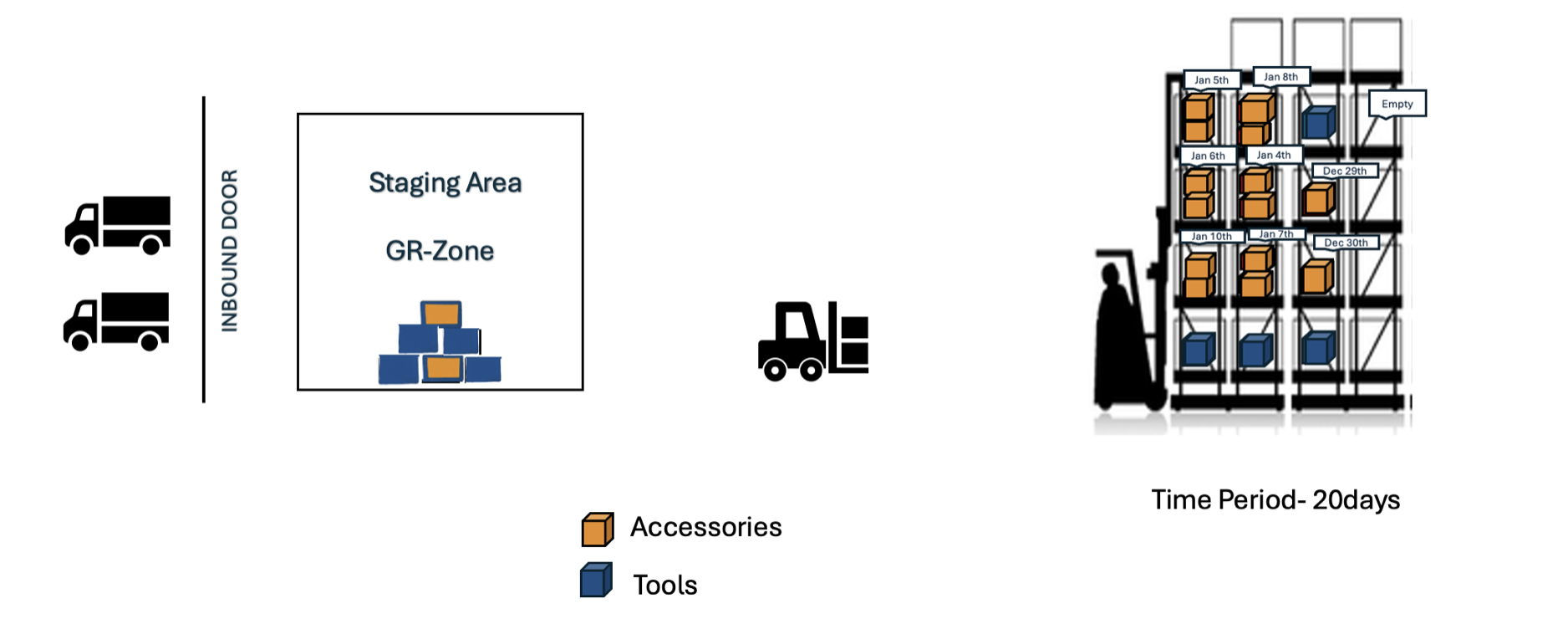
3. Reverting GR Date Range (with different GR times)
When the GR date range is reverted to the original 10-day limit, the system re-evaluates bin selection accordingly. In cases where multiple bins fall within the same GR date, the system further refines the decision by prioritizing the bin with the youngest GR time, ensuring the most recently received stock is selected for putaway.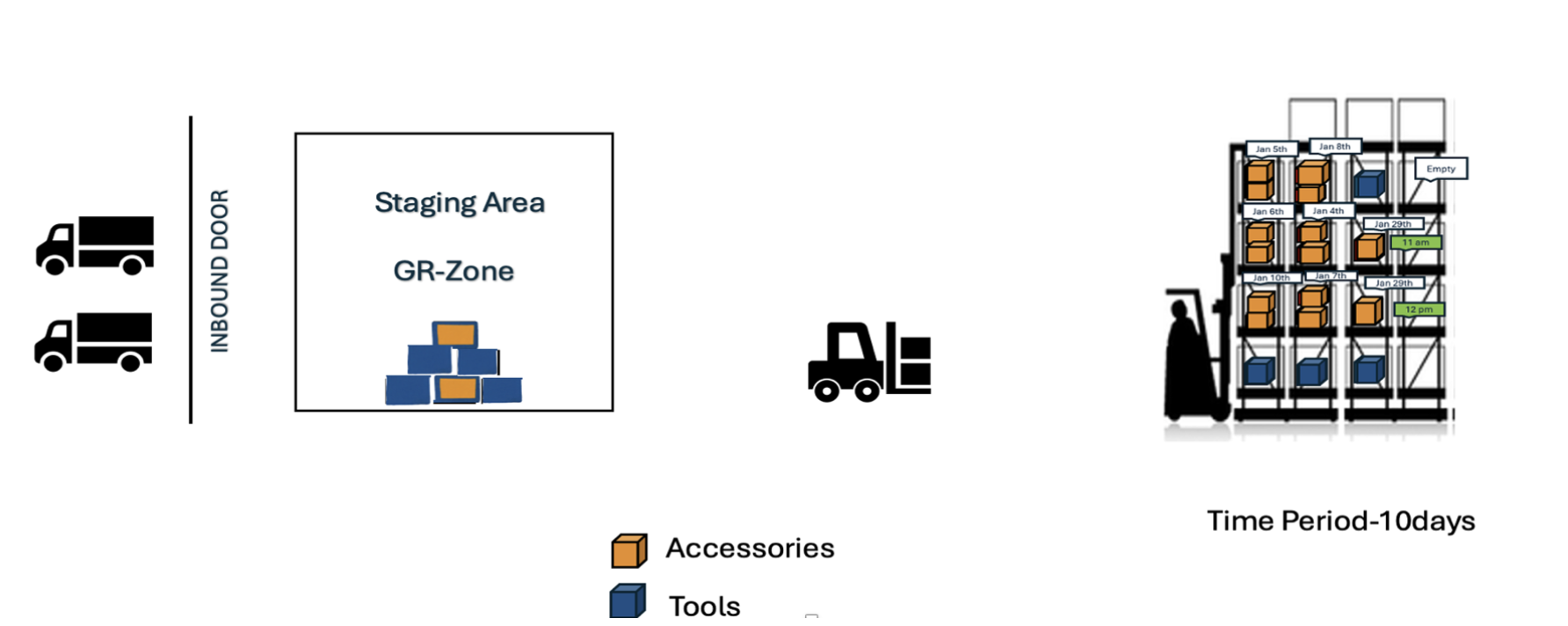
4. Warning Message: Manual Bin Assignment
If no suitable bins are available within the defined number of days and no empty bin is found, the system allows the warehouse worker to manually assign a bin.
However, if the selected bin contains an older HU that does not meet the GR date requirement, the system will trigger a warning message indicating that the selected bin does not comply with the youngest HU logic.
Example:
- No bins are available within the 10-day time limit.
- The worker manually selects the Bin
- System issues a warning message: “Selected bin does not match youngest HU logic.”
Controlling the GR Date Limit using TVARVC
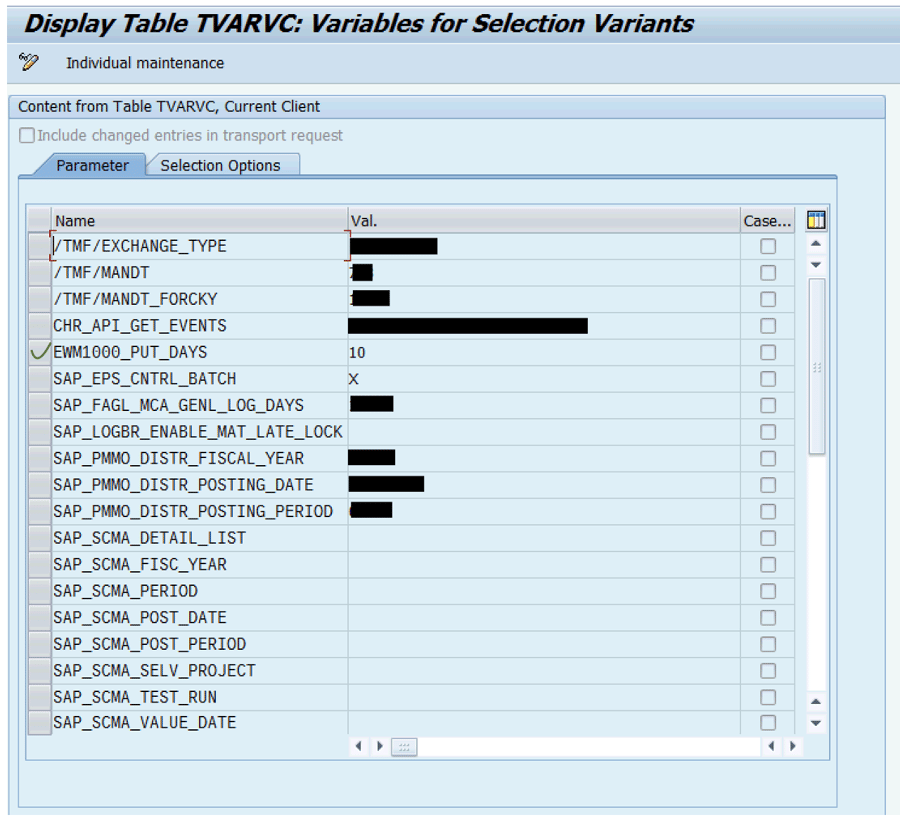
To manage the number of allowed days dynamically (without changing code), a TVARVC parameter was created.
Parameter Name: EWM1000_PUT_DAYS, example Value: 10. This parameter defines how many days the system should check for existing stock GR dates.
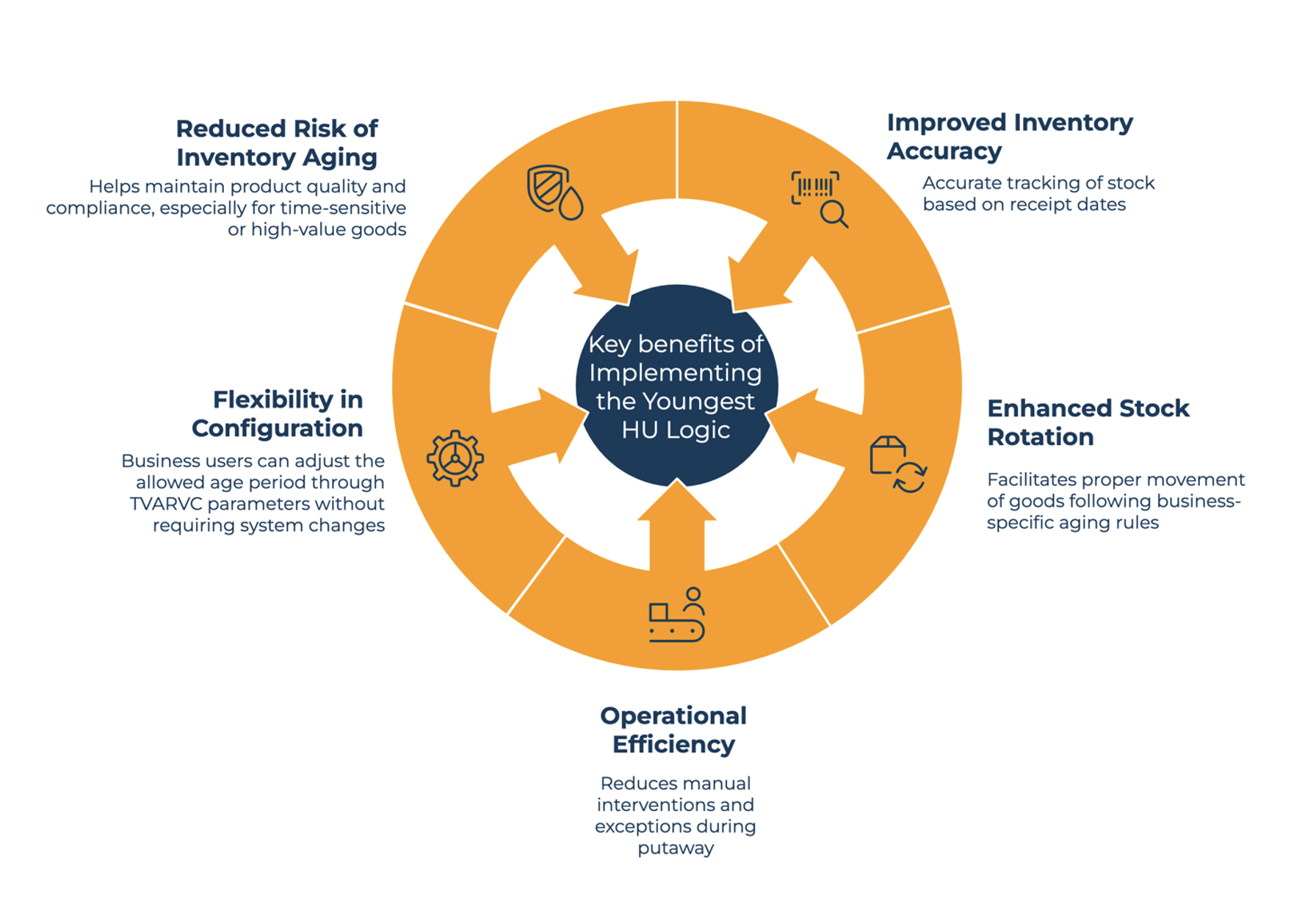
Key benefits of implementing the Youngest HU Logic include:
Conclusion
The Youngest HU Logic enhancement in SAP EWM offers a practical solution to improve stock management during the putaway process. By evaluating the Goods Receipt (GR) date and time of existing Handling Units, the system ensures that newly received goods are only added to appropriate bins where stock is within the acceptable age limit. This approach helps prevent the mixing of older and newer inventory, supports better stock rotation, and maintains overall inventory quality.

 Vindhya Maddineni
.png)
.png?width=30&name=Events%20covers%20(36).png) Raghav Nookala: Feb 12, 2026 11:02:37 AM
Raghav Nookala: Feb 12, 2026 11:02:37 AM
.png)
.png)